Koh Madsum (Pig Island) Guide: Everything You Need to Know Before You Go
Planning a trip to Koh Madsum? Learn what Pig Island is really like, how tours work, what to bring, where to snorkel and whether it is worth visiting.
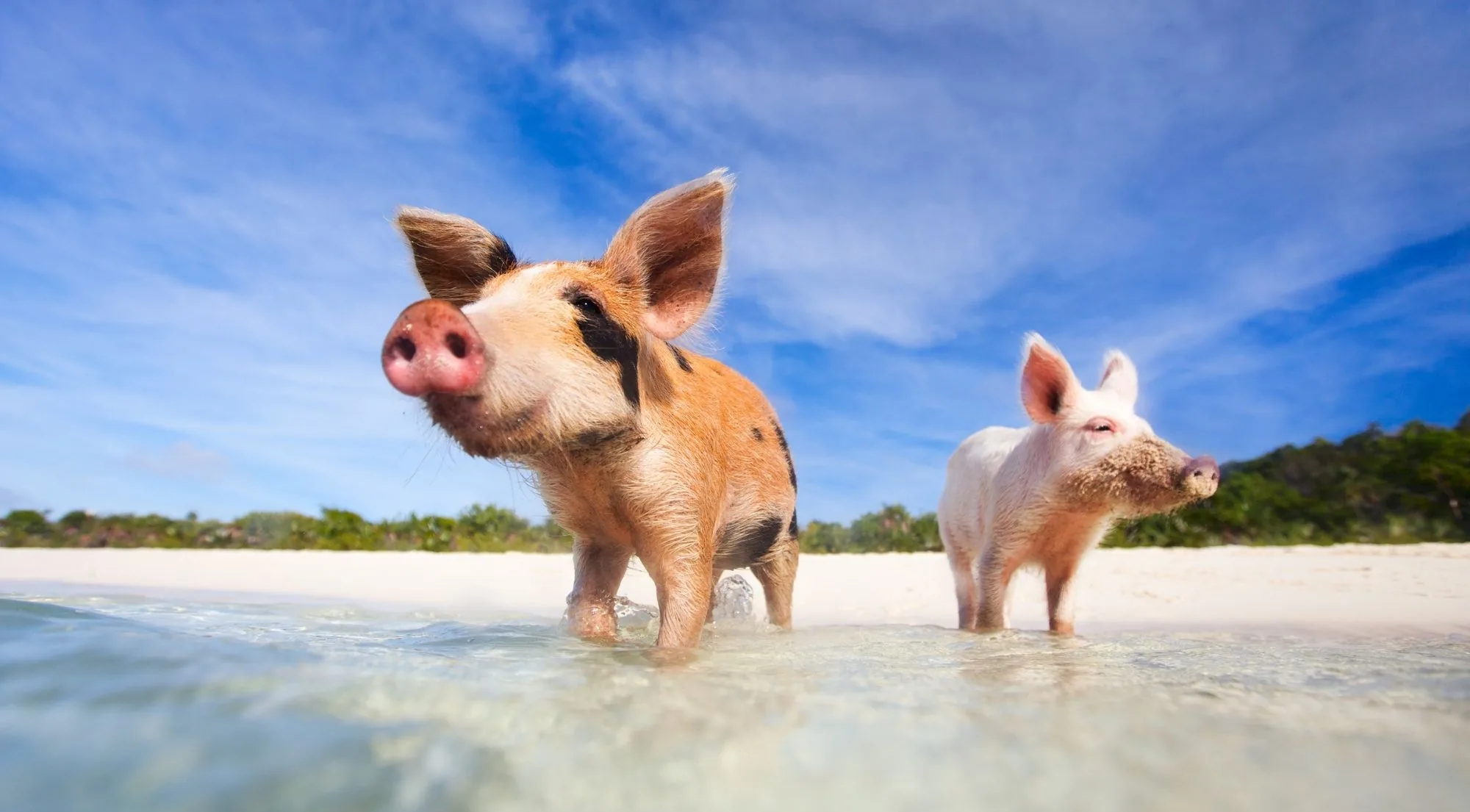
Koh Madsum is the little island off southern Koh Samui that most travellers know simply as Pig Island. The name gives away the main attraction: pigs wander along the beach, visitors stop for photos, and some of them wade into the shallow water.
But the pigs are only part of the trip.
Most Pig Island tours also visit nearby Koh Tan, where the focus shifts from beach time to snorkelling. Put the two islands together and you get one of the easiest half-day boat trips from Koh Samui: a short crossing, a tropical beach, a quirky wildlife encounter and a snorkelling stop without committing an entire day to the sea.
If you are trying to decide whether Koh Madsum is worth fitting into your Koh Samui itinerary, this guide covers what the island is actually like, how the tours work and what you should know before booking.
Check Availability
Koh Madsum at a glance
| Also known as | Pig Island, Koh Mat Sum, Ko Matsum |
| Location | South of Koh Samui |
| Best known for | Free-roaming pigs on the beach |
| Typical visit | Half-day boat trip |
| Usually combined with | Koh Tan |
| Main activities | Pigs, beach time, swimming, snorkelling nearby |
| Common boat types | Longtail boat and speedboat |
| Typical departure area | Southern Koh Samui, especially around Thong Krut |
| Best for | Couples, families, first-time visitors, short-stay travellers |
What is Koh Madsum?
Koh Madsum is a small island just off the south coast of Koh Samui in the Gulf of Thailand. You may see the name written several ways — Koh Madsum, Koh Mudsum, Koh Mat Sum or Ko Matsum — but they refer to the same island.
The nickname Pig Island comes from the pigs that live around the beach and have become the island’s defining attraction.
They are used to seeing visitors, so the experience is very different from spotting wildlife in the wild. You are likely to see pigs walking across the sand, resting in the shade and occasionally heading into the shallows.
The setting is what makes the encounter memorable. This is not a farm or zoo visit. You arrive by boat, step onto a tropical beach and suddenly find pigs wandering around beside the sea.
That combination is why Pig Island has become one of the most photographed excursions from Koh Samui.
Is Koh Madsum the same as Pig Island?
Yes.
Koh Madsum is Pig Island. Koh Tan is its neighbour and the snorkeling stop; our Koh Madsum vs Koh Tan guide explains the difference.
This causes more confusion than you might expect because tours are sold under several different names:
- Pig Island tour
- Koh Madsum tour
- Koh Madsum and Koh Tan tour
- Pig Island and Koh Tan snorkelling tour
- Koh Samui Pig Island boat trip
In most cases, these are variations of the same basic excursion.
One important distinction is that Koh Tan is not Pig Island. Koh Tan is the neighbouring island that is commonly included because it offers better opportunities for snorkelling.
A simple way to remember it is:
Koh Madsum = pigs and beach
Koh Tan = snorkelling
That is why the two work so well as a combined trip.
What do you actually do on Pig Island?
A stop on Koh Madsum is usually relaxed rather than heavily structured.
After the boat reaches the beach, you normally have free time to explore, take photos, meet the pigs, swim or simply sit by the water.
The exact amount of time depends on the tour, but you do not need a full day on Koh Madsum itself. The island works best as one part of a two-island trip.
Meet the pigs
This is the experience everyone comes for.
The pigs roam around the beach rather than staying in an enclosure, so every visit feels slightly different. Sometimes they are active near the water; at other times they are resting out of the sun.
Treat them as animals rather than photo props. Give them space, supervise young children and follow any instructions from your guide about feeding or approaching them.
Swim and relax on the beach
Koh Madsum is also a beach stop.
The water close to shore is generally shallow enough for a casual swim, and many tours allow plenty of unstructured time to cool off after seeing the pigs.
If your main goal is a peaceful beach day, however, remember that Pig Island can become busy when several tour boats arrive at once.
Take photos
It is difficult to leave Pig Island without taking far too many photos.
Pigs on white sand with turquoise water behind them are the obvious shot, but it is worth putting the phone away for part of the stop too. The island is small and the best part of the experience is simply how unusual the setting feels.
What about snorkelling?
This is where Koh Tan comes in.
Although some listings use broad phrases such as “Pig Island snorkelling tour,” the main snorkelling stop is usually around Koh Tan rather than directly off the Pig Island beach. Our guide to snorkelling at Pig Island vs Koh Tan explains the split.
Koh Tan lies close to Koh Madsum, so combining them adds very little travel time. Tours typically stop at a reef area where passengers can enter the water from the boat and snorkel before or after visiting the pigs.
For most travellers, this makes a much better trip than visiting Koh Madsum alone.
You get two distinctly different experiences:
- Koh Tan: mask, snorkel, reef and fish.
- Koh Madsum: pigs, beach and swimming.
If snorkelling is one of your priorities, check how much snorkelling time your chosen tour includes rather than assuming every Pig Island itinerary is identical.
How do you get to Pig Island from Koh Samui?
There is no regular passenger ferry to Koh Madsum.
Most visitors reach the island by joining an organised excursion or hiring a private boat from the southern side of Koh Samui.
Thong Krut is one of the main departure areas and is much closer to Koh Madsum than the busy resort areas of Chaweng, Bophut and Maenam.
The sea crossing itself is short. What can take longer is reaching the departure point from your hotel, particularly if you are staying in northern or northeastern Koh Samui.
Many organised tours solve this by including hotel pickup.
For a detailed breakdown of departure points, transfers and independent options, see our guide to getting to Pig Island from Koh Samui.
Longtail boat or speedboat?
Compare a private longtail to Koh Tan and Koh Madsum with the shared Pig Island speedboat itinerary. Check pickup and island fees on the option you select.
Both are common, and neither is automatically better.
Longtail boat
A traditional Thai longtail is the more atmospheric option. It is slower, open-sided and feels like part of the experience rather than simply transport.
Choose a longtail if you:
- want the classic Thai boat experience;
- prefer a smaller, simpler trip;
- are not in a rush;
- want good photos from the boat;
- are considering a private charter.
The ride can feel bumpier and noisier than first-time visitors expect, particularly when conditions are choppy.
Speedboat
A speedboat gets between stops quickly and is common on shared group tours.
Choose a speedboat if you:
- want shorter transfer times on the water;
- prefer a more structured excursion;
- are travelling as part of a larger group;
- want to maximise time at the stops.
Do not choose entirely on speed. Group size, itinerary and how long you actually spend on each island matter just as much.
Private tour or shared tour?
The private longtail itinerary offers a local captain and a weather-dependent Koh Tan snorkeling stop.
This is another decision that can change the whole feel of the day.
Shared tours
A shared Pig Island tour is usually the simplest option for couples, solo travellers and small families.
You book a seat, transfers are often organised for you, and the itinerary is already planned.
The downside is that you follow the group’s schedule.
Private tours
A private boat is more interesting for families, groups of friends or anyone who values flexibility.
Depending on the operator, you may be able to choose your departure time, spend longer at one island or avoid some of the busiest parts of the day.
The per-person difference can also shrink once several people split the cost of the boat.
If you are comparing options, do not look only at the headline price. Check:
- hotel pickup;
- private or shared boat;
- maximum group size;
- snorkelling equipment;
- food and drinks;
- island or entry fees;
- insurance;
- time on Koh Madsum;
- time at Koh Tan.
How long does a Pig Island tour take?
Pig Island is particularly appealing because it works well as a half-day excursion.
Many trips combine hotel transfers, the boat crossing, Koh Tan snorkelling and Koh Madsum beach time into roughly half a day.
That makes it easier to fit into a Koh Samui itinerary than longer marine trips that consume almost the entire day.
Morning and afternoon departures are both available from different operators, and sunset-oriented trips are also sold.
A longer tour can make sense if you want a slower pace, lunch on an island or more time in the water. But you do not need to spend all day at sea just to experience Pig Island.
When is the best time to visit?
Koh Madsum tours operate across much of the year, but weather and sea conditions matter more than the month printed on your calendar.
A sunny day can make the beach and water look spectacular, while wind and rain can make even a short crossing less comfortable.
If you have several days on Koh Samui, it can be sensible not to lock every sea trip into the first available date. Keeping some flexibility gives you a better chance of choosing a favourable day.
Morning trips also have an advantage for travellers who want to visit before the strongest midday heat.
We cover seasonal weather in more detail in our dedicated best time to visit Pig Island guide.
Is Pig Island good for families?
For many families, yes.
The short boat crossing is a major advantage compared with longer day trips, and children generally enjoy the novelty of seeing pigs on a beach.
The Koh Tan snorkelling stop also gives older children something more active to do.
There are still a few practical things to think about:
- children should be supervised around the pigs;
- boat boarding may involve stepping through shallow water;
- shade can be limited;
- the tropical sun feels stronger on the water;
- very young children may find a longtail boat noisy;
- sea conditions vary from day to day.
If you are travelling with toddlers, older relatives or anyone with reduced mobility, ask about boarding access and age restrictions before booking; a private boat does not necessarily accommodate reduced mobility.
What should you bring?
You do not need much, but the right small day bag makes the trip more comfortable.
Bring:
- swimwear;
- towel;
- reef-conscious sunscreen;
- hat;
- sunglasses;
- water;
- waterproof phone pouch;
- dry bag or waterproof bag;
- a change of clothes if you dislike travelling back wet;
- some cash for small on-island expenses or fees not covered by your tour.
Most organised snorkelling tours provide masks and snorkels, but check your booking before travelling.
If you use prescription goggles or prefer your own snorkel mask, bring it with you.
What should you wear?
Dress for a boat-and-beach day rather than a sightseeing tour.
Light clothes over swimwear are easiest, and footwear that can get wet is more useful than trainers.
You may need to step from the boat into shallow water when landing, so complicated shoes and long trousers quickly become annoying.
A rash vest is particularly useful if you plan to snorkel because it adds sun protection without constantly reapplying sunscreen.
How crowded does Pig Island get?
Pig Island is no longer a secret.
Its popularity means there are periods when several boats are on the beach at the same time, especially around the middle of the day.
That does not necessarily ruin the trip, but it changes the atmosphere.
If avoiding crowds matters to you, consider:
- an earlier departure;
- a later afternoon departure;
- a private boat with a flexible schedule;
- travelling outside peak holiday periods.
The advantage of a private charter is not necessarily that you get the island to yourself — you probably will not — but that you have more control over when you arrive and leave.
Is Koh Madsum worth visiting?
Pig Island is worth considering if you want a fun, easy half-day boat trip from Koh Samui rather than a serious island expedition.
It is particularly well suited to:
- first-time visitors to Koh Samui;
- families;
- couples;
- groups of friends;
- travellers who enjoy unusual photo stops;
- people who want some snorkelling without a long boat journey;
- short-stay visitors who do not want to lose an entire day.
It is less compelling if your only priority is world-class snorkelling or completely empty beaches.
The real strength of the excursion is the combination. Pig Island gives you the quirky beach experience, while Koh Tan adds the snorkelling that makes the boat trip feel more substantial.
Pig Island vs other Koh Samui boat trips
Koh Samui has bigger and more ambitious sea excursions, but Pig Island fills a different role.
Choose Pig Island and Koh Tan if you want:
- a shorter boat ride;
- a half-day format;
- an easy family-friendly excursion;
- pigs plus snorkelling;
- a trip that stays close to Koh Samui.
Choose a longer island-hopping excursion if you want dramatic scenery, multiple snorkelling sites or a full day on the water.
Neither is inherently better. They suit different itineraries.
If you only have a few days on Koh Samui, Pig Island is one of the easiest boat trips to fit around beach time, restaurants and sightseeing on the main island.
How the Pigs Got There
Stories about a local bringing pigs from the mainland are widely repeated, but we have not found a primary historical record. Treat the origin story as folklore. The private longtail operator describes the pigs and dogs as belonging to a local island family.
The Money and the Rules Nobody Puts in the Headline
The private longtail listing quotes a 50-baht Koh Madsum entry fee per person and says outside food and drinks, including the water supplied on the boat, are not allowed on Pig Island. Bring cash and confirm whether your chosen ticket includes entry. Meal locations and drink rules depend on the itinerary; ask before taking your own supplies ashore.
Is It Ethical?
Free-roaming pigs are still domestic animals. Their freedom to move is not an independent welfare certification, and we cannot verify how entrance-fee revenue is used. Avoid feeding, chasing or cornering them, keep children close, and let resting animals stay in the shade. Check any additional animal attractions separately rather than assuming that one tour label proves good welfare practices.
Before you book: 7 things to check
Tour names can look almost identical while the actual inclusions differ.
Before paying, check these seven points:
- Does the trip visit both Koh Madsum and Koh Tan?
- Is the boat a longtail or speedboat?
- Is it shared or private?
- Are hotel transfers included?
- How much snorkelling time is scheduled?
- Are snorkelling equipment and life jackets included?
- Are island fees, food and drinks included or paid separately?
These details matter more than a small difference in ticket price.
Frequently asked questions
Where is Pig Island in Thailand?
Pig Island is Koh Madsum, a small island just south of Koh Samui in the Gulf of Thailand.
Can you swim with the pigs on Koh Madsum?
The pigs sometimes enter the shallow water, but their behaviour is not scheduled or guaranteed. Think of the experience as visiting a beach where pigs roam freely rather than a formal “swim with pigs” attraction. Our swim with pigs guide goes into what to expect.
Can you visit Pig Island without a tour?
There is no regular public ferry. You need a tour boat or private charter to reach Koh Madsum.
Is Koh Madsum good for snorkelling?
Pig Island itself is primarily the beach-and-pigs stop. Most tours do their main snorkelling around nearby Koh Tan.
How long is the boat ride to Pig Island?
The crossing from southern Koh Samui is short — often around 15–20 minutes by speedboat; longtails can take longer, depending on departure point and sea conditions.
Is Pig Island a full-day trip?
It can be, but it does not need to be. Many popular Koh Madsum and Koh Tan trips are designed as half-day excursions.
Should I book a private Pig Island tour?
A private tour makes the most sense if you are travelling as a family or group, want a flexible schedule, or prefer not to follow a larger shared group.
Which is better, Koh Madsum or Koh Tan?
They are best for different things. Koh Madsum is the Pig Island beach stop; Koh Tan is the snorkelling stop. Most travellers should visit both on the same trip.
How much is the Pig Island entrance fee?
The private longtail listing quotes 50 baht per person. Bring cash and check whether your ticket covers it.
Why are there pigs on Koh Madsum?
Local origin stories are unverified; the operator describes animals belonging to an island family.
Can I bring food or drink onto Pig Island?
The private longtail operator prohibits outside food and drink ashore, including the boat’s supplied water. Confirm current island rules with your crew.
How long do you actually spend with the pigs?
Time ashore depends on the itinerary. Compare the scheduled Koh Madsum stop rather than assuming every half-day tour allows the same time.
Choosing your trip
Koh Madsum is one of those excursions that is easy to understand once you stop thinking of it as just “the island with pigs.”
The pigs are the hook, but the short journey from Koh Samui, beach time and Koh Tan snorkelling are what make the trip work.
For most first-time visitors, the best format is simple: choose a half-day tour that visits both Koh Madsum and Koh Tan, check whether you prefer a longtail or speedboat, and make sure the inclusions match the way you want to travel.
If that sounds like your kind of day, compare our current Pig Island tours from Koh Samui and choose the trip that fits your group, schedule and budget.
Continue planning
Pig Island, Koh Tan and a Boat Back Before Dinner
Half-day and full-day trips from Koh Samui's south coast, with snorkelling gear, hotel transfers and free cancellation up to 24 hours before you go.
Check Availability & Book